Swipe up to navigate spots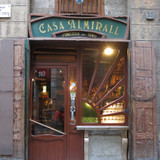

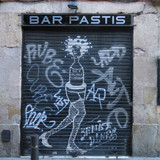
Barcelona, Spain - Old Town
Bar Marsella
By @entrespacios
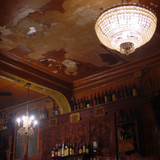
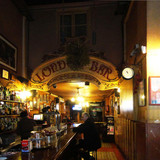
Founded in 1820, Bar Marsella is the oldest bar in Barcelona and one of the great survivors of the old Raval. For over a century, its surroundings were the epicenter of the city’s most intense and marginal nightlife: a crossroads of workers, sailors, prostitutes, artists, and bohemians that gave rise to the mythical Barrio Chino. Marsella did not close even during the Spanish Civil War and still preserves its decadent atmosphere: blackened lamps, dust-covered bottles, peeling walls. Nothing shines and that’s precisely its charm. In a deeply transformed neighborhood, Marsella remains standing, indifferent to trends, like a living portrait of an irreverent Barcelona that has almost disappeared.
Address: Carrer de Sant Pau, 65, Ciutat Vella, 08001 Barcelona, Spain
Why go
Because it is, quite literally, the oldest bar in Barcelona. A place where the passage of time has neither been concealed nor corrected. Everything here speaks of nearly two centuries of history and of having endured key moments in the city’s past the Civil War included, without ever ceasing to exist. Part of its identity are the original Franco-era signs, such as the famous “No singing allowed,” posted to prevent noisy gatherings and control nightlife. Today, they function as small capsules of a far less free Barcelona.
Known for
Absinthe, its emblematic drink. Historically associated with the forbidden and with artistic inspiration, it became one of Marsella’s main draws. In the early 20th century, absinthe was banned or heavily restricted in several European countries; in Barcelona, its consumption was tolerated to a greater extent, turning the bar into a magnet for artists, sailors, and dockworkers. Around it grew the legend of patrons such as Picasso, Dalí, or Hemingway, mingling with a popular, port-side clientele.
Transport
The best way to get there is on foot. If you need public transport, get off at Liceu (L3) and walk along Carrer de Sant Pau to the bar. These are the directions to arrive; how you leave is still unknown.
Vibe
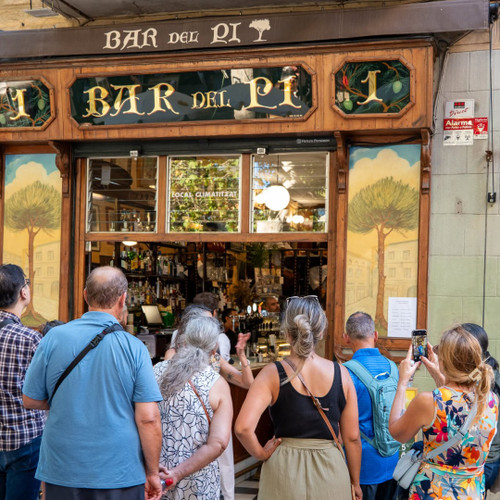
A constant mix of locals and tourists. There are curious passersby and lifelong regulars, always in a fairly relaxed atmosphere. It’s not a trendy bar and it doesn’t pretend to be. Marsella is timeless.
Tips
It’s worth remembering that you’re in the Raval: one of Barcelona’s most multicultural and characterful neighborhoods, but one where it’s advisable to keep an eye on your belongings, especially when arriving and leaving at night. No drama just common sense. The Raval commands respect, isn’t always understood at first glance, but holds one of the city’s most human and authentic faces.
About @entrespacios

I’m Carmen, a Colombian historian. I arrived in Barcelona in 2015, convinced that a master’s degree in Art History, combined with my experience as a teacher and museum guide, would open many doors for me. Spoiler: it didn’t. After several rejections, I started working as a tour guide, thinking it would be temporary. What I didn’t expect was that this job would become a true passion: historical storytelling. Today, I dedicate myself to sharing the history of Barcelona (and the occasional other topic) with the world, one street and one screen at a time.